 GL
GL 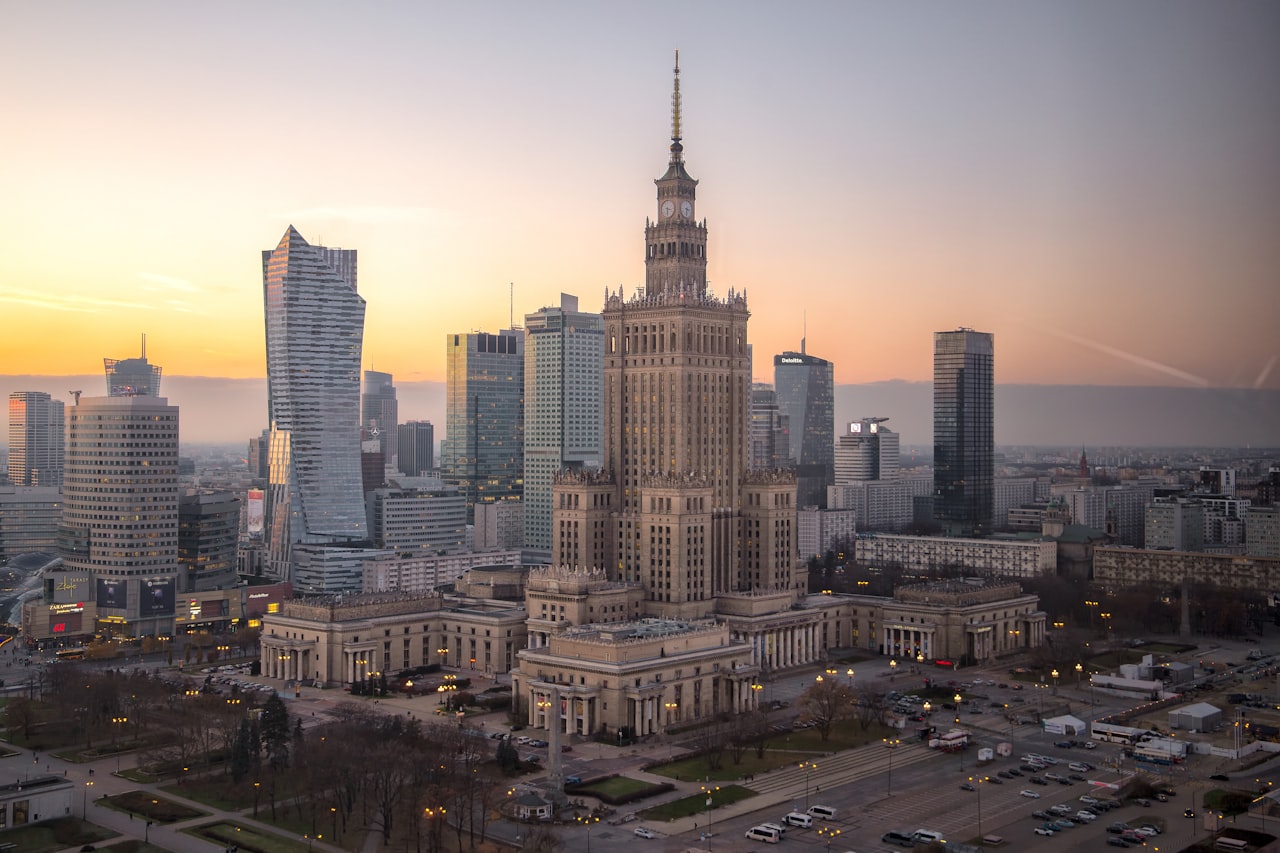
Polonia é un dos lugares máis atractivos da UE para que un desenvolvente remoto se estableza: un escenario tecnolóxico forte, un custo de vida baixo en relación coa Europa occidental e un réxime fiscal (o ryczałt do 12%) especialmente favorable aos freelancers de TI. Pero a historia dos visados e permisos é máis enguedellada que a da maioría dos países comparables porque:
- Polonia non ten un visado específico para nómadas dixitais. Isto non cambiou en 2026, malia os rumores repetidos.
- O programa Poland Business Harbour (PBH) — o análogo máis próximo — suspendeuse o 26 de xaneiro de 2024 e segue suspendido en 2026. Non se aceptan novas solicitudes de visado PBH.
- As vías realistas discorren todas pola Act on Foreigners estándar, o que implica prazos máis longos, variacións de voivodía en voivodía e procedemento administrativo en lingua polaca.
Esta guía repasa o que realmente usan os desenvolventes remotos non comunitarios para vivir e traballar legalmente en Polonia en 2026.
O titular: sen visado para nómadas dixitais, PBH suspendido
A Act on Foreigners de Polonia (Ustawa o cudzoziemcach 2013, con modificacións) non inclúe unha categoría para nómadas dixitais. O Ministerio de Asuntos Exteriores non deu sinais dun despregamento en 2026. O programa Poland Business Harbour, que dende 2020 ofrecía un visado de vía rápida para especialistas de TI dunha lista de países socios (orixinalmente Belarús, despois ampliada), suspendeuse o 26 de xaneiro de 2024 e a suspensión segue en vigor. O banner oficial do MSZ di «Program Poland Business Harbour został wstrzymany» — programa suspendido. Os titulares actuais dun visado PBH conservan os seus dereitos, pero non se tramita ningunha solicitude nova.
Para os desenvolventes remotos non comunitarios, iso deixa tres vías legais realistas.
As tres vías realistas
Camiño A: Karta pobytu czasowego (autoemprego / JDG)
O zezwolenie na pobyt czasowy w celu prowadzenia działalności gospodarczej — permiso de residencia temporal coa finalidade de exercer unha actividade económica. Base legal: Act on Foreigners 2013, artigo 142.
Quen: nacionais de países terceiros que xestionan unha jednoosobowa działalność gospodarcza (JDG) — un negocio individual polaco (sole trader) rexistrado no CEIDG. Tamén dispoñible para socios e membros do consello dunha Sp. z o.o. polaca (sociedade de responsabilidade limitada) ao abeiro do art. 142 ust. 3.
Porta de entrada: visado nacional de tipo D (traballo/negocio) nun consulado polaco no estranxeiro e, despois, solicitude do permiso de residencia dentro do país antes de que caduque o visado. A referencia completa está na páxina da Oficina para Estranxeiros de Mazovia (MOS).
Camiño B: Niebieska Karta UE (Tarxeta Azul UE)
Base legal: Act on Foreigners 2013, artigos 127–139, que traspón a Directiva UE 2021/1883.
Quen: estranxeiros cunha oferta de traballo dun empregador polaco para un posto que require alta cualificación, cun contrato de polo menos un ano. O empregador polaco pode ser a entidade local dunha empresa con sede na UE, pero non podes usar a Tarxeta Azul se permaneces como empregado remoto dunha empresa non polaca sen presenza en Polonia.
Esta é a vía equivocada para o perfil clásico de «traballo para unha empresa dos EUA desde Varsovia». É a vía correcta se te contrata Allegro, CD Projekt ou unha filial polaca dunha multinacional.
Camiño C: Poland Business Harbour — SUSPENDIDO
Oficialmente «wstrzymany» (suspendido), non pechado. O MSZ afirmou que a suspensión estaba ligada á «verificación efectiva de empresas e estranxeiros». Non se anunciou a súa reactivación en 2026. Considera esta vía non dispoñible ata novo aviso.
Requisitos de ingresos e capital (2026)
Camiño A: permiso de residencia JDG (art. 142)
Debes cumprir unha de tres probas de substancia económica:
- Ingresos de negocio ≥ 12× o salario bruto mensual medio da túa voivodía nos 12 meses anteriores á solicitude
- Empregar ≥2 traballadores a xornada completa con estatuto elixible durante ≥12 meses
- Demostrar recursos ou actividade que contribúan ao investimento, á transferencia de tecnoloxía, á innovación ou á creación de emprego en Polonia
Ademais, un limiar mínimo de custo de vida: PLN 776/mes para o solicitante se é independente (sen persoas dependentes), PLN 600/mes por cada membro da familia. Fonte: MOS — requisitos de actividade económica.
Para a maioría dos desenvolventes en solitario, a ruta 1 é a proba operativa. A variación entre voivodías importa: en Mazowieckie (Varsovia), 12× o salario medio é considerablemente máis alto que en Łódzkie ou Lubelskie.
Camiño B: Tarxeta Azul UE
Salario bruto mensual ≥ 150% do salario medio nacional do ano anterior. Para 2026, iso son PLN 13.355,34 brutos/mes (con base no anuncio do GUS do 9 de febreiro de 2026, que informa dun salario bruto medio de 2025 de PLN 8.903,56). A ~4,30 PLN/EUR iso son aproximadamente €3.100/mes.
Este limiar cúmpreno a maioría das ofertas para desenvolventes senior en Varsovia ou Cracovia, e con menos fiabilidade os postos de nivel medio fóra de Varsovia.
Proceso de solicitude — gran cambio en 2026
Dende o 1 de xaneiro de 2026, todas as presentacións de permisos de residencia pasan ao portal en liña MOS 2.0. As presentacións en papel elimínanse para a maioría dos tipos de permiso. Fonte: UDSC — información básica sobre a residencia temporal.
Taxas (reforma de 2026):
- Imposto de timbre (opłata skarbowa): PLN 340 para o permiso de residencia por actividade económica; PLN 440 para o baseado no traballo (Tarxeta Azul)
- Taxa de expedición da tarxeta de residencia: PLN 100 (subida desde PLN 50)
- Fonte: páxina de taxas de Migrant Poznań UW
Onde: oficina da voivodía (Urząd Wojewódzki) da túa residencia, a través de MOS 2.0.
Tempo de tramitación: o prazo legal é de 60 días para unha primeira resolución. A tramitación real en Varsovia e Cracovia dura 6–18 meses en períodos de alta demanda. Este é o atranco máis citado polos estranxeiros que se mudan a Polonia; planifica tendo isto en conta.
Implicacións fiscais
Skala podatkowa (PIT progresivo)
Para os ingresos gravados baixo a escala progresiva estándar (podatki.gov.pl stawki i limity):
- 12% sobre os ingresos ata PLN 120.000
- 32% sobre a parte que supera os PLN 120.000
- Mínimo exento (kwota wolna): PLN 30.000
Ryczałt ewidencjonowany — o favorito de TI
Este é o réxime que usan a maioría dos desenvolventes freelance polacos. Grava os ingresos (non o beneficio) a un tipo fixo, sen deducións de gastos, pero con tipos nominais máis baixos:
- 12% sobre os ingresos por programación, publicación de paquetes de software e consultoría de TI (códigos PKWiU 62.01.1 e 62.02, é dicir, as actividades básicas de desenvolvemento)
- 8,5% sobre servizos de TI máis amplos que non entran no tramo do 12%
- Elixible se os ingresos do ano anterior son ≤ €2.000.000
Fonte: podatki.gov.pl — ryczałt od przychodów ewidencjonowanych.
Para un desenvolvente que factura €80k/ano como traballador individual JDG, os números do ryczałt adoitan superar o PIT progresivo por unha marxe significativa, mesmo despois de perder as deducións de gastos. Fai as contas cun contable polaco antes de decidirte.
CIT Estoński — só para Sp. z o.o., NON para traballadores individuais
Unha confusión habitual: o «CIT estonio» (CIT estoński / ryczałt od dochodów spółek) preséntase moitas veces aos desenvolventes freelance como unha vantaxe fiscal. Non está dispoñible para os traballadores individuais JDG. A elixibilidade limítase ás spółki kapitałowe — Sp. z o.o., S.A., P.S.A. — con accionistas que sexan só persoas físicas e ingresos ≤ PLN 50 millóns. O imposto aprázase ata a distribución do beneficio.
Se queres o beneficio do CIT estonio, tes que constituír unha Sp. z o.o. (que é unha subvía distinta de permiso de residencia do art. 142 ust. 3 e un compromiso administrativo moito maior). Para a maioría dos desenvolventes remotos en solitario, a combinación JDG + ryczałt é a configuración correcta.
Fonte: podatki.gov.pl — CIT estoński.
ZUS (cotizacións sociais da JDG)
O sistema polaco de autoemprego ten cotizacións ZUS escalonadas que son inusualmente xenerosas cos novos fundadores:
- Ulga na start — primeiros 6 meses de actividade: sen cotizacións sociais, só a cotización sanitaria (NFZ). Tope de ingresos trimestral: PLN 10.813,50. zus.pl.
- Składki preferencyjne — meses 7–30: base de cotización = 30% do salario mínimo = PLN 1.441,80; cotización social mensual de PLN 456,18.
- Składka zdrowotna (sanitaria, 2026): para quen paga por ryczałt, PLN 498,35/mes se os ingresos acumulados do ano son ≤ PLN 60.000; tramos superiores por riba.
Fonte: PDF de cotizacións ZUS 2026.
Nota: Ulga na start cobre a exención da cotización social pero NON a cotización sanitaria; moitos fundadores pásano por alto.
Regra dos 183 días
Es residente fiscal polaco se (i) o teu centro de intereses persoais/económicos está en Polonia OU (ii) pasas >183 días nun ano fiscal en Polonia. Os residentes tributan pola renda mundial; os non residentes só pola de orixe polaca. Fonte: podatki.gov.pl — residents.
Sanidade
A cobertura do NFZ (Fondo Nacional de Saúde) é obrigatoria unha vez que pagas a cotización sanitaria como JDG ou como empregado con Tarxeta Azul. A cotización inclúese na facturación de ZUS para os autónomos.
Para quen aínda non activou a inscrición obrigatoria, existe o seguro voluntario do NFZ (ubezpieczenie dobrowolne) — condición: residencia en Polonia. A cotización mínima mensual de 2026 é de PLN 835,04 (9% da base de PLN 9.278,19, trimestre abr–xuñ 2026). Fonte: seguro voluntario do NFZ.
O seguro privado (Medicover, LUX MED, Enel-Med) é o estándar de facto para evitar tempos de espera e custa entre PLN 200 e PLN 500/mes por persoa segundo o plan.
Custo de vida en Polonia
Aluguer dun apartamento dun cuarto no centro da cidade, segundo Numbeo (consultado en maio de 2026):
| Cidade | 1 cuarto, centro |
|---|---|
| Varsovia | PLN 4.534 (~€1.055) |
| Cracovia | PLN 3.800 (~€885) aprox. |
| Wrocław | PLN 3.296 (~€765) |
| Gdańsk | PLN 3.595 (~€835) |
Varsovia é a máis cara por unha marxe cómoda; Wrocław ten a mellor relación prezo-calidade das catro grandes. O coworking custa entre PLN 500 e PLN 1.200/mes (€115–€280) nos espazos consolidados, cos pases de día normalmente entre PLN 50 e PLN 80.
A compra, o transporte e a restauración son un 35–45% máis baratos que en Berlín ou Ámsterdam. Internet é excelente e barata (PLN 60–80/mes por unha conexión simétrica de 600/300 Mbps).
Realidades prácticas
PESEL — necesario para case todo
O PESEL é o número de identificación persoal polaco. Requírese para ZUS, NFZ, abrir unha conta bancaria, a aplicación de administración móbil mObywatel e a maioría dos servizos de consumo. Emíteo a gmina (o concello local) no rexistro de domicilio (zameldowanie) — non é automático co permiso de residencia. Solicítao na túa primeira semana.
Ulga na start cobre a social, non a sanitaria
A exención de 6 meses de ZUS é só para as cotizacións sociais; a cotización sanitaria do NFZ segue aplicándose. Os novos fundadores adoitan calcular mal a tesouraría por saltarse este matiz.
Język urzędowy
O procedemento administrativo desenvólvese en polaco (Kodeks postępowania administracyjnego, art. 4). Requírese un tradutor xurado (tłumacz przysięgły) para todos os documentos estranxeiros. Orza entre PLN 50 e PLN 120 por páxina.
MOS 2.0 + Profil Zaufany
A migración de 2026 a MOS 2.0 require un inicio de sesión baseado en certificado (Profil Zaufany ou mObywatel). Os estranxeiros sen PESEL teñen que recorrer a un «tymczasowy profil» que engade 1–2 semanas ao prazo da solicitude.
A realidade dos tempos de tramitación
O prazo legal de 60 días para resolver non se respecta a gran escala en Varsovia nin en Cracovia. Conta con 6–18 meses para as solicitudes de primeiro permiso, especialmente en 2026 co atasco da migración a MOS 2.0. Leva aforros para cubrir a espera e non fagas coincidir un cambio de traballo co calendario do permiso de residencia.
Cidades amigables para desenvolventes
Varsovia é o maior escenario. Google for Startups Warsaw, a enxeñaría de Allegro, os salarios senior máis altos e a maior densidade de meetups (Warsaw JS, PyData Warsaw, Warsaw R Users). A contrapartida: os alugueres máis altos, ~40% por riba de Wrocław, e o tráfico.
Cracovia é o segundo maior polo tecnolóxico: centros de I+D de Motorola, Cisco, ABB, Sabre e Akamai. Forte ecosistema de meetups (PyData Kraków, KrakowJS, Krakspot). O aluguer adoita estar un 25–30% por baixo do de Varsovia segundo Numbeo. Centro urbano compacto e camiñable.
Wrocław é o punto óptimo entre custo e calidade. Gran presenza de Nokia / IBM / Capgemini, a maior usabilidade en inglés das catro e os desprazamentos máis áxiles. A mellor opción para fundadores en solitario ou para quen quere infraestrutura tecnolóxica de gran cidade sen os alugueres de Varsovia.
Gdańsk tamén é unha opción crible (campus de Intel, corredor tecnolóxico de Tricity), pero a densidade de meetups é menor que a das tres primeiras.
Polonia fronte a República Checa e Hungría: como se compara?
| Polonia (JDG) | Chequia (Živnostenský) | Hungría (White Card) | |
|---|---|---|---|
| Visado específico de nómada dixital? | Non | Máis ou menos (lista Živnostenský) | Si (€2.000/mes) |
| Punto forte fiscal | ryczałt do 12% para TI | PIT do 15% + deducións a tanto alzado | PIT do 15% |
| Tempo de tramitación | 6–18 meses | 1–3 meses | 1–3 meses |
| Custo de vida | Medio (Varsovia alto; Wrocław medio) | Medio (Praga alto) | Baixo (Budapest medio) |
| Profundidade do escenario tecnolóxico | Forte (Varsovia, Cracovia) | Forte (Praga, Brno) | Moderada (Budapest) |
Polonia gaña en profundidade do escenario tecnolóxico e nos números fiscais do ryczałt para os freelancers de TI. A República Checa gaña en velocidade de tramitación e ten unha estrutura fiscal similar. Hungría gaña na vía de visado máis sinxela para nómadas, pero cun escenario tecnolóxico máis feble.
Deberías solicitalo?
Solicítao se es un desenvolvente non comunitario que (a) quere darse de alta como JDG polaca e usar o ryczałt do 12% — o mellor para ingresos de €60k–€200k, ou (b) ten unha oferta concreta dun empregador rexistrado en Polonia que supera o limiar da Tarxeta Azul. Polonia é, de verdade, unha das mellores configuracións fiscais da UE para os freelancers de TI, e a profundidade do escenario tecnolóxico en Varsovia e Cracovia é real.
Sáltao se necesitas unha vía limpa de nómada dixital con limiares de ingresos baixos (a República Checa, Hungría ou Croacia son máis limpas), se a administración en lingua polaca vai ser un atranco, ou se non podes tolerar 6–18 meses de limbo na tramitación do permiso.
Se estás a buscar postos de empregadores polacos que cumpran o limiar da Tarxeta Azul ou postos na UE compatibles co traballo remoto en xeral, Xeito filtra ofertas que se poden traballar dende a UE de máis de 130 fontes, para que investas a túa enerxía de candidatura onde importa.
Listo para conseguir ese posto? Consulta a tarifa de Xeito Premium — segue cada candidatura, obtén currículo e cartas de presentación axustadas por IA e non perdas nunca os seguimentos.
Artigos relacionados desta serie
- República Checa: lista Živnostenský — guía completa
- Alemaña: visado de freelance — guía completa
- Romanía: visado de nómada dixital — guía completa
- Estonia: visado de nómada dixital — guía completa
- Países Baixos: visado de ano de orientación — guía completa
- Visados de nómada dixital da UE comparados — elixe o teu país